Newsletter Subscribe
Enter your email address below and subscribe to our newsletter
Enter your email address below and subscribe to our newsletter

 BySonu
The 1921681100 Router Network Configuration Guide presents a methodical approach to securing home networks. It outlines accessing the admin panel, setting strong credentials, and defining clear LAN/WAN roles. It emphasizes minimal-exposure permissions, ongoing firmware updates, and audit trails. The guide also covers reliable segmentation and documented changes. The framework invites careful implementation and ongoing vigilance, offering a disciplined path while hinting at remaining considerations that merit careful attention.
To access the 1921681100 router admin panel, users should open a web browser and navigate to http://192.168.1.100 or the appropriate gateway address provided by the device documentation.
The procedure emphasizes secure access credentials, and orderly configuration.
Once authenticated, administrators consider network segmentation principles, ensuring permissions align with minimal exposure while maintaining freedom to manage devices and update policies efficiently.
Once access to the router’s admin panel is established, the next step is to establish a robust wireless identity and credential. A secure password should combine length, complexity, and unpredictability, while a memorable nickname provides user-friendly identification. Choose a network name that is non-personal yet distinctive, and document settings securely to prevent unauthorized changes without compromising freedom.
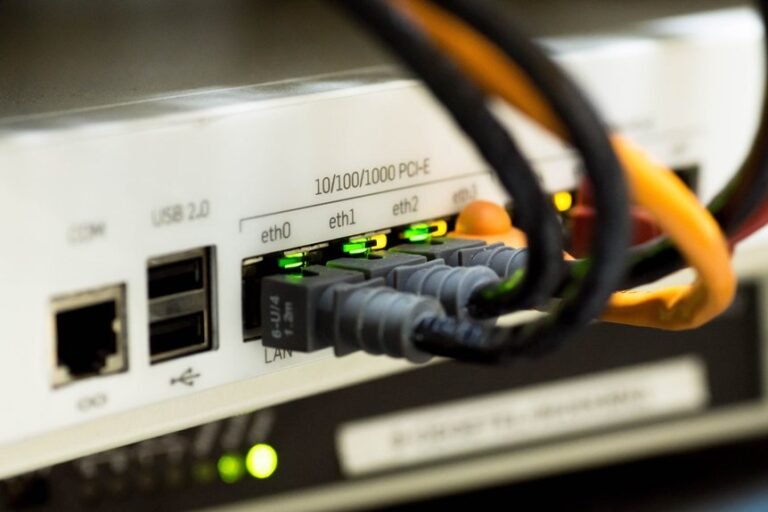
Basic LAN and WAN setup establishes a stable home network by clearly defining the roles of local devices and the router’s external connection. The procedure emphasizes basic routing clarity, delineating LAN and WAN responsibilities, and aligning device compatibility with known standards. WAN concepts are validated through structured topology, while ongoing security auditing evaluates traffic patterns and firmware integrity for reliable, freedom-oriented operation.
Following the established LAN/WAN framework, this section outlines practical steps for strengthening router security and diagnosing common issues.
It adopts a precise, methodical stance, emphasizing security audits, disciplined device isolation, and actionable troubleshooting tips.
Prioritize firmware updates, implement strong access controls, monitor logs, and verify configuration integrity.
Guard against misconfigurations, document changes, and maintain consistent, auditable security postures across the network.
He should verify the update source, back up configurations, and enable automatic updates where available, ensuring minimum downtime. Regularly check update frequency and vendor support, review release notes, and apply firmware only from trusted vendors to reduce risk.
Parental controls are built-in; enable via router settings, enabling Content filtering and scheduling. For Firmware safety, perform Backup restores before changes, verify QoS prioritization, and test Wireless troubleshooting after updates, ensuring ongoing security and user autonomy.
Back up settings by exporting configuration file before changes; store securely. The restore procedure should be tested offline. Verify firmware safety, enable parental controls, implement traffic prioritization, and diagnose wireless connection issues after restoring. Maintain freedom with cautious, methodical steps.
Yes, it is possible to prioritize traffic for streaming apps. This method employs stream optimization and bandwidth allocation to ensure stable quality while maintaining security and freedom, balancing latency, jitter, and fairness across all connected devices.
A surprising 67% of wireless issues stem from router placement. For wireless troubleshooting, check proximity, SSID visibility, and password correctness; update firmware safely, and reset with a backup. Maintain precise steps and security-conscious practices for freedom-loving users.
The guide culminates in a precise, methodical blueprint for robust home networking around the 192.168.1.100 gateway. By enforcing strict access controls, consistent firmware updates, and auditable change records, it ensures reliable operation while preserving security. Through careful segmentation and minimal-exposure permissions, administrators defend the network’s integrity. A single, recurring motif—defense through discipline—underscores the process, turning complex configuration into repeatable, verifiable steps that empower secure, maintainable connectivity without compromising usability.