Newsletter Subscribe
Enter your email address below and subscribe to our newsletter
Enter your email address below and subscribe to our newsletter

 BySonu
A practical guide to the 19216813 router login and setup focuses on secure access and reliable operation. It covers gathering credentials, verifying firmware, and locking down administration. The procedure emphasizes a trusted local network, a secure browser, and unique admin passwords. Steps outline logging in at 192.168.1.3, confirming current firmware, and implementing strong WPA3 with a strict guest policy. The discussion pauses at critical configuration choices that determine long‑term stability and security.
To access the router admin, one must assemble the essential credentials and hardware requirements before attempting any configuration. The briefing emphasizes Router access basics and disciplined preparation, detailing device compatibility, secure storage, and updated firmware.
Network security considerations are prioritized, including unique admin passwords, firmware integrity checks, and restricted management interfaces, ensuring freedom through controlled, auditable access without exposing sensitive pathways.
Accessing the router at 192.168.1.3 should occur only after verifying the device is on a trusted local network and the URL is entered directly into a secure, up-to-date browser.
The procedure emphasizes login credentials, firmware updates, network segmentation, guest access, parental controls, firewall settings, port forwarding, device pairing, and mesh integration while maintaining minimal exposure and strong authentication.
Is setting up Wi‑Fi not a precise, stepwise process that foregrounds security? The guide outlines a methodical sequence: assign a definitive network name, set a unique default username, and enable WPA3. Verify firmware update status, apply updates, then configure strong passcodes and guest access limits. Document changes, reboot, verify connectivity, and maintain ongoing security discipline for freedom and reliability.
Common tweaks and troubleshooting to keep the router running smoothly involve disciplined, incremental checks that preserve security and uptime. The approach emphasizes documented changes, regular firmware updates, and minimal exposure. Key adjustments include selecting the optimal wifi channel, configuring a guest network for visitors, enforcing strict firewall rules, and applying clear parental controls to balance access with safety and autonomy.
A precise procedure entails pressing the reset button for a factory reset, then reconfiguring admin access. The device requires securing the guest network to prevent unauthorized access, ensuring basic protections during setup and subsequent changes.
Accessing the admin panel from a guest network is generally restricted due to access restrictions. A methodical evaluation indicates guest networks should be isolated; security-focused configurations enforce separation, preserving freedom while preventing admin access from untrusted segments.
A security statistic: 60% of devices exposed during outdated firmware incidents. The process requires a firmware upgrade manual update: download correct file, verify checksum, disable automated updates, perform backup strategy, then apply, reboot, and test connectivity while monitoring.
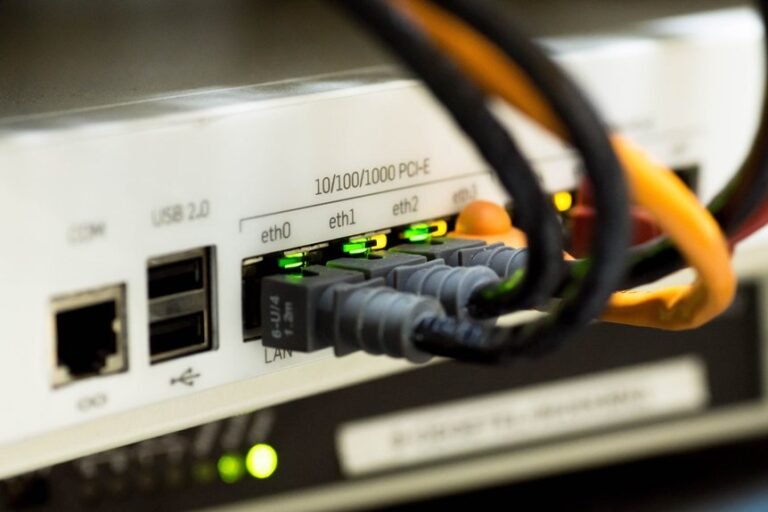
The required cables include an Ethernet patch or CAT5e/CAT6, and a power cord; port usage comprises WAN and LAN ports. Emphasizes cable compatibility and wireless standards, with security-focused configuration guidance for users seeking network freedom and control.
Parental controls and content filters are enabled via admin access; configure schedules and whitelists, then implement firmware update and router reset if needed. Ensure guest network isolation, verify cables ports align with setup requirements, and secure with strong passwords.
In the quiet hum of the home network, discipline meets possibility. Passwords are long and unique, firmware is current, and access is tightly restricted, yet the network remains open to trusted devices. Juxtaposed, meticulous backups endure while unplanned outages threaten progress. The router stands as a vigilant gatekeeper: rigorous configuration paired with calm, continuous monitoring. When change is deliberate and documented, connectivity flourishes; when neglected, disruption blooms. Security, like a shield, grows stronger through consistent, careful steps.