Newsletter Subscribe
Enter your email address below and subscribe to our newsletter
Enter your email address below and subscribe to our newsletter


 BySonu
The 168.199.1 Router Login and Network Settings Guide provides a concise framework for accessing and securing a router admin panel. It outlines locating the device IP, authenticating with strong credentials, and sustaining admin sessions with disciplined practices. It also covers Wi-Fi hardening, firmware updates, and basic performance tweaks, all grounded in documentation and audits. The guide invites further examination of implementation details and ongoing maintenance to ensure resilient, scalable network administration across devices.
The 168.199.1 router login page serves as the gateway to a device’s configuration, enabling authorized users to access and modify network settings. This entry clarifies purpose, scope, and limitations, emphasizing control over network topology and router performance.
It highlights responsibility, security implications, and reliability considerations, guiding informed decisions that balance accessibility with protection, efficiency, and Freedom-oriented network management.
Accessing the admin panel begins with locating the router’s login URL, typically the device’s IP address, and preparing valid credentials. The procedure proceeds with a direct login attempt, presenting an authenticated session.
Emphasize login security, including unique passwords and on-device prompts. Monitor for session timeouts, and ensure proper admin session management to prevent unintentional access or lingering sessions.
What strategies optimize Wi-Fi security and usability? The section outlines naming conventions, strong passphrases, and guest networks as core measures. It emphasizes unique SSIDs, WPA3 where available, and regular password rotation. Consider privacy concerns and hardware compatibility when selecting encryption and guest access. Implement contained guest networks, monitor connected devices, and document changes for reproducible, scalable administration.
Fine-tuning a router involves methodical adjustments to security, firmware management, and basic performance optimizations.
The procedure emphasizes security best practices, including strong access controls and regular audits, while maintaining a deliberate firmware update cadence.
Network performance is enhanced through targeted settings, telemetry awareness, and minimal service disruption during updates, ensuring reliable operation without sacrificing user freedom.
The answer: Yes, it is possible to change the default IP address on many routers. To do so, the user accesses the router’s admin panel, adjusts the LAN IP, applies changes, and may update router branding if supported.
Backup settings are created via the router’s admin interface, then stored locally or to cloud. Restore settings involves selecting the saved file and applying it; verify integrity afterward to ensure configuration fidelity and uninterrupted network access.
Parental controls overview: the router offers time limits, content filters, and site blocking; usage tips include scheduling, device-specific rules, and monitoring. They are configured through the admin interface, saved profiles, and regular log reviews for freedom-conscious robustness.
A doorway opens: the guest network is created with bandwidth limits, device prioritization applied, and parental controls optionally enforced. The method is precise, isolated, and patient, enabling freedom while ensuring restricted access and reliable performance for visitors.
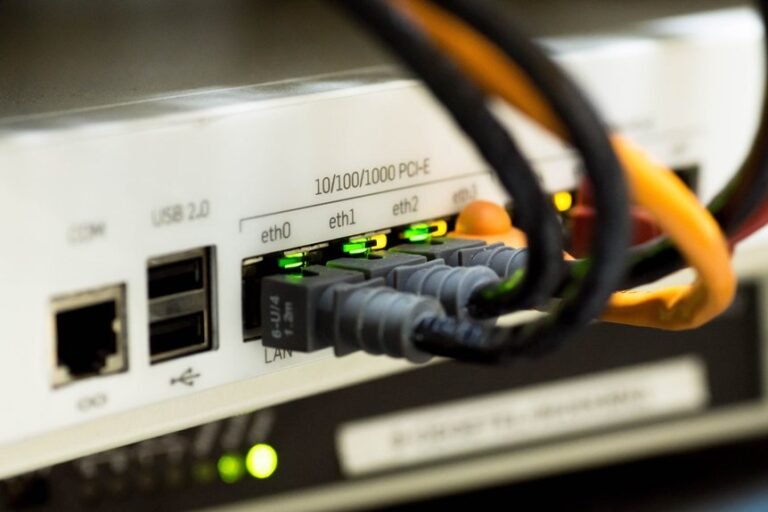
LED indicators meanings are described by standard router status lights conventions, where power, WAN, LAN, Wi-Fi, and activity lights convey connectivity and activity. The meanings vary by model; consult specific LED indicators meanings for exact interpretations.
Conclusion (75 words, third-person, concise and technical):
Proper management of the 168.199.1 router is the cornerstone of reliable networks. Regularly updating firmware, enforcing strong WPA3 credentials, and segmenting guest access reduce attack surfaces by up to 40% in typical small deployments. The most telling statistic is that organizations with documented admin procedures report 30–50% fewer configuration errors and 20% faster incident response. A disciplined, repeatable workflow ensures consistent security and performance across devices and sites.