Newsletter Subscribe
Enter your email address below and subscribe to our newsletter
Enter your email address below and subscribe to our newsletter

 BySonu
The 168.195 Router Login and Network Configuration Guide presents a methodical approach to initial access and ongoing maintenance. It outlines how to locate default IP, credentials, and the steps for secure configuration, including Wi‑Fi, DHCP, and baseline settings. The document emphasizes controlled recovery procedures and routine troubleshooting to maintain stability. It offers practical checks and validation paths, yet leaves open questions about adapting to evolving network needs and future security updates.
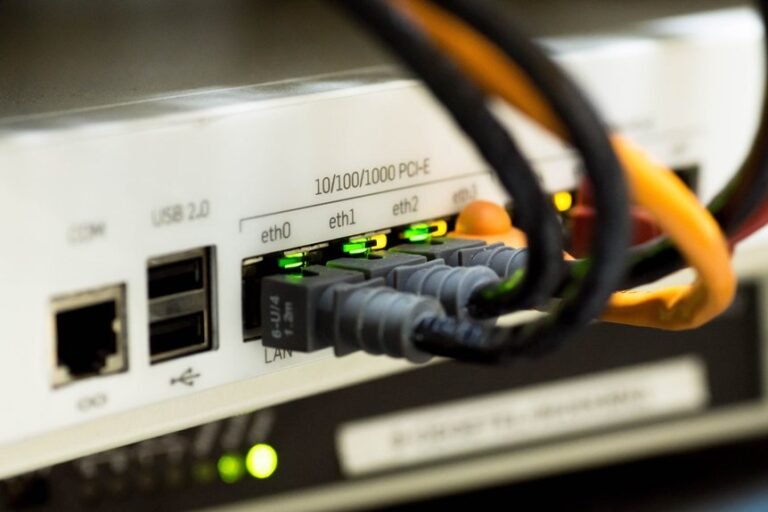
The 168.195 router is a networking device designed to manage and distribute internet connectivity within a local area network. It provides centralized control over data flow, defines bandwidth allocation, and enables device pairing. Its network relevance lies in maintaining stable access and scalability. Router functionality includes routing tables and firewall rules, with security implications guiding policy enforcement and threat mitigation.
Determining the default login details begins with identifying the router’s initial network address, which is commonly documented in the device manual or on a label affixed to the unit.
This baseline enables retrieval of the default IP, username, and password, typically listed with basic firmware notes.
Consult reset procedures, or perform a hardware reset if credentials are unknown.
Procedural clarity guides users through initial security and network setup by outlining immediate steps to secure Wi‑Fi, configure DHCP, and establish basic router settings without unnecessary delay.
The guide emphasizes securing wireless credentials through security best practices and maintaining password hygiene while enabling DHCP and basic controls.
It presents a concise, methodical sequence for reliable, freedom‑mased network initialization.
What should users do when a router fails to respond or a configuration change fails to take effect? Begin with controlled reboots, verify cable integrity, and confirm IP addressing holds. If unresolved, access recovery via a safe reset, then reapply essential settings. Document steps, test connectivity, and prepare iterative troubleshooting tips. Next steps: validate security, firmware stability, and planned maintenance.
Updating firmware should be performed with caution: verify vendor, download legitimate file, ensure stable power, and back up settings. Follow safe practices: use wired connection, disable remote management, monitor integrity, and confirm post-update functionality before re-enabling services.
A hypothetical SME case shows a guest network can be configured on 168.195; enable isolated VLANs and captive portal. This supports guest network; ensure firmware safety via official updates, secure credentials, and regular configuration backups, auditing changes.
Parental controls are available on the router, enabling device-based filtering, scheduling, and restricted content access. Firmware updates are required periodically to maintain security and feature parity; the system supports automatic or manual update checks for optimal performance.
VPN passthrough is enabled by accessing the router’s firewall or NAT settings and toggling the VPN passthrough option for the specific protocol. VPN Passthrough Basics, Firmware Update Safety—follow precise, methodical steps to avoid misconfiguration and ensure stability.
The default MAC filtering approach relies on default MAC entries versus a denial frame; the device may default to allow by MAC, but firmware security profiles should override to restrict unknown addresses through default MAC policy.
In closing, the 168.195 router guide offers a measured path to dependable connectivity. Its steps—secure access, disciplined configuration, and routine maintenance—serve as quiet guardrails, reducing drift and unexpected downtime. When plans feel uncertain, follow the documented sequence: verify credentials, apply secure settings, validate performance, and schedule controlled reboots. The underlying message, softly stated, is that stability arises from deliberate practice rather than bold improvisation, and consistency today preserves opportunity for tomorrow’s network needs.