Newsletter Subscribe
Enter your email address below and subscribe to our newsletter
Enter your email address below and subscribe to our newsletter

 BySonu
The discussion on 192.168.0.1 router login and admin access centers on a common private gateway used by many networks. It explains how to reach the admin interface, emphasizing safe practices and authenticated access. The guide covers essential security settings, firmware updates, and basic performance tweaks. It also highlights typical login and connectivity problems and how to diagnose them. A practical, standards-based approach awaits, inviting further exploration of how these steps translate to real-world deployments.
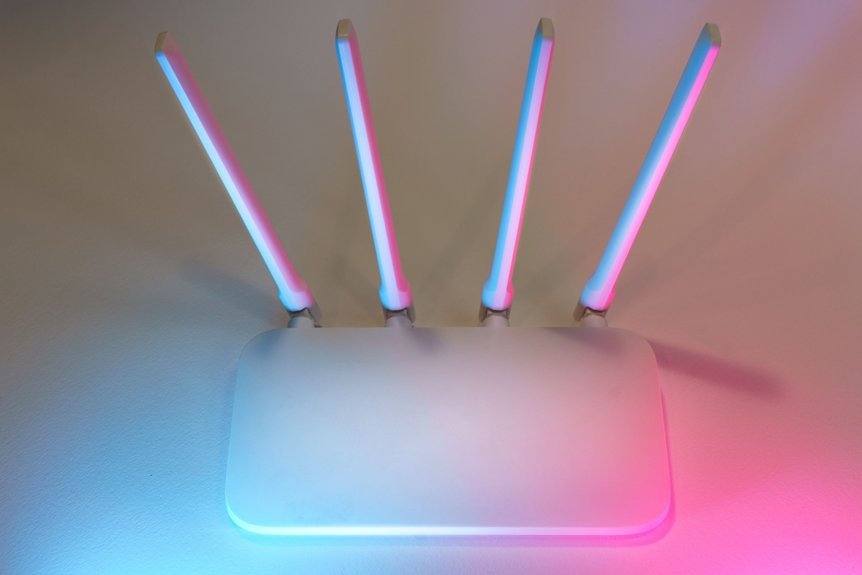
192.168.0.1 is a private IP address commonly used as the default gateway for many home and small-office routers. It serves as the central access point for local devices, directing traffic into the incoming network and enabling controlled connectivity.
Understanding its role clarifies admin access boundaries, device discovery, and network topology, underpinning secure, autonomous administration without external dependency.
Safely accessing the router admin page begins with verifying the network connection and identifying the correct gateway address. Authorized access requires using a known device on a trusted network, avoiding public or shared Wi‑Fi. Purpose should be clear; avoid unclear purpose. Maintain strong authentication, update firmware, and monitor for risky exposure, logging attempts while preserving user autonomy and security in decisive, minimal steps.
Essential settings to optimize performance and security focus on balancing speed, reliability, and protection. Configurations emphasize two word discussions on traffic management, unrelated services, and subnet security, ensuring device compatibility.
Administrators should enable WPA3, disable WPS, update firmware, and enforce strong passwords.
Network segmentation improves risk containment while monitoring alerts maintains resilience without sacrificing usability or freedom.
Connectivity issues commonly arise after configuring security and performance settings. The section outlines verification steps for login and network reachability, focusing on credential correctness, device accessibility, and service status. It emphasizes security audits to identify misconfigurations and firmware updates to resolve known defects. Troubleshooting avoids ambiguity, presenting clear commands, logs interpretation, and restart procedures to restore reliable administrator access and stable connectivity.
Yes, a router’s default IP address can be changed. The process may involve accessing admin settings, choosing a new gateway, and rebooting. Consider risks: changing firmware or configuration can affect network isolation and device accessibility.
The reset procedure is straightforward: perform a hardware reset, then reconfigure with a new strong password; avoid insecure password storage. The device preserves no memory of old credentials, ensuring independence from prior access, preserving user freedom and security.
Yes, access from guest networks is typically restricted; network security policies prevent router interfaces from being reachable by guest devices. However, depending on configuration, some routers may expose limited management features under guest access, compromising network security.
Security updates typically cover software defects and vulnerability patches under manufacturer warranty; service guarantees vary by vendor. The warranty may exclude third-party firmware and remote access issues, requiring valid proof of purchase and adherence to license terms.
Enabling remote administration should be avoided for safety; if enabled, restrict access, use strong credentials, and keep firmware up to date. Remote login risks exist; ensure firmware security measures and exposure controls are in place for trusted networks.
In summary, 192.168.0.1 serves as a router’s gateway and gateway to control. Access should occur only on trusted networks with current firmware, strong credentials, and disabled WPS for security. Configure essential settings—admin credentials, firewall, and remote management—while keeping firmware updated. If issues arise, verify cabling, IP conflicts, and browser cache. As the saying goes, “measure twice, cut once”—double-check every change to maintain stable, secure connectivity.