Newsletter Subscribe
Enter your email address below and subscribe to our newsletter
Enter your email address below and subscribe to our newsletter


 BySonu
The 168.147 Router Configuration and Setup Guide presents a concise, structured approach to securing and optimizing a network edge. It covers initial access, core parameterization, and topology documentation, with emphasis on naming, strong credentials, firmware hygiene, and disabled services. Performance foundations include QoS and firewall rules, while access control addresses guest isolation and bandwidth management. The framework invites methodical implementation and verification, but leaves a practical question unresolved—how these steps translate to real-world constraints and evolving threats.
The initial setup of the 168.147 router involves accessing the device’s management interface and configuring core network parameters. It proceeds with documenting network topology, assigning IP roles, and confirming connectivity. This process emphasizes networking basics and disciplined router maintenance, ensuring stable operation. Steps remain modular, repeatable, and auditable, enabling technicians to verify settings and preserve consistent performance across firmware updates and device reboots.
To establish secure wireless access, choose a unique network name (SSID) and a strong, non-default password. A strong network should avoid common phrases and defaults, using random characters and lengthier strings.
Maintain security hygiene with firmware updates, firewall rules, and monitored port forwarding. QoS optimization supports stable performance while access controls preserve freedom and control over devices.
Regular firmware updates and reinforced access controls are essential for maintaining router security. The guide advises timely firmware upgrades from official sources and verification of signatures, plus disabling unused services. A security audit should assess admin accounts, strong authentication, and remote exposure. Device hardening includes changing default credentials, enabling encryption, and segregating management interfaces from public networks.
With firmware hygiene and hardened access established, the focus shifts to optimizing performance through ports, QoS, and firewall rules.
Network segmentation clarifies traffic paths, prioritizes critical services, and reduces latency.
Implement strict guest network isolation to protect core resources.
Configure port-based rules, bandwidth limits, and smart queuing to preserve throughput while maintaining robust security and flexible, freedom-friendly access.
The router can be reset to factory defaults by holding the reset button for about 10 seconds, then releasing; watch for reset prevention signals and firmware quirks, which may require a hardware or web-based reset approach for reliability.
Opening with a paradox, the answer is yes: a guest network can be used. This involves guest network setup and enabling guest access, ensuring isolated traffic. The guide describes steps succinctly, securely, and with freedom-minded clarity.
In a router context, a backup strategy outlines saving configuration data, while a restore procedure re-applies it to the device. The detached reviewer notes these steps, emphasizing consistency, integrity, and validation after restoration. data encryption, audit logs
“Slow and steady wins the race.” Parental controls vary by model; typical options include content filters, time schedules, and device blocking. The guide notes parsing errors and frequency limits can affect setup and enforcement consistency.
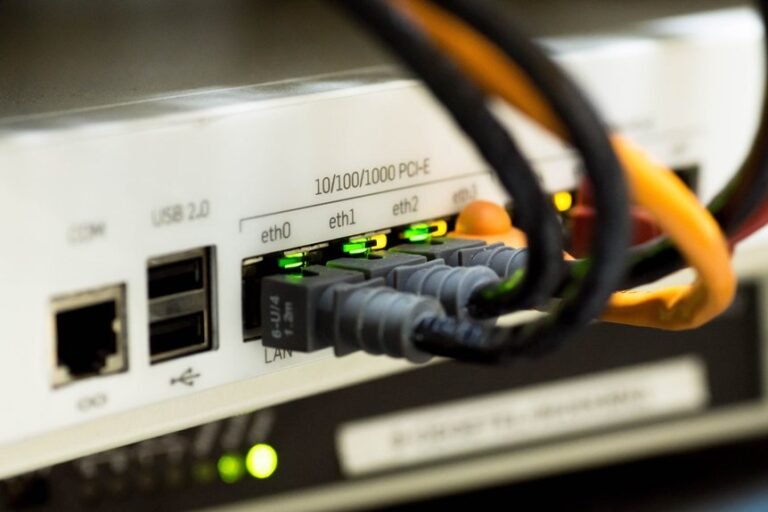
Troubleshooting WAN, LAN connectivity involves checking cables, reboots, and verifying IP settings. Diagnosing signal strength and interference issues is essential; observe modem, router LEDs, and placement. Document steps, isolate faults, and restore stable service with methodical adjustments.
In closing, the 168.147 router configuration guide demonstrates that security and performance hinge on disciplined setup: a unique network name, strong credentials, up-to-date firmware, and tightly controlled access. By systematically configuring ports, QoS, and firewall rules, the theory that sound defaults prevent compromise is validated; layered protections reduce risk as usage grows. The audience should picture a lean, auditable topology: clearly named segments, verifiable connectivity, and documented settings that preserve both safety and smooth operation.