Newsletter Subscribe
Enter your email address below and subscribe to our newsletter
Enter your email address below and subscribe to our newsletter

 BySonu
The guide on the 168.11.254 Router Admin Dashboard offers a concise, security-first path to network management. It emphasizes verifying router address and credentials, establishing clear status indicators, and using a minimalist configuration approach to prevent missteps. It covers Wi‑Fi setup for 2.4 GHz and 5 GHz bands, safe guest access, and essential firewall and parental controls. For troubleshooting, it promotes disciplined checks and rapid fault isolation, leaving practical choices for the user to justify further scrutiny. This approach invites scrutiny that will reveal where careful steps matter most.
To log in securely and confirm the correct device, one should verify the router’s address and credentials before accessing the management interface. The procedure emphasizes secure login, verify router authenticity, and awareness of status indicators.
It covers setup bands, guest access, firewall basics, parental safeguards, and practical troubleshooting tips, ensuring freedom through precise, defensive configuration without unnecessary ambiguity.
Navigate Wi‑Fi effectively by outlining setup steps, understanding band options, and configuring guest access.
The guide presents clear, defensive instructions on establishing a stable setup bandwidth, selecting 2.4 GHz or 5 GHz, and enabling guest access without unnecessary risk.
It emphasizes precision, avoids fluff, and preserves user freedom by ensuring explicit, minimal configurations that resist overreach or misconfiguration.
Firewall, Parental Controls, and Basic Security Safeguards establish a minimal, robust baseline for router protection.
The section presents firewall basics as a precise shield against intrusions, without overreach, and emphasizes controlled access pathways.
It covers parental controls setup to balance freedom with responsibility, ensuring safe content and time limits.
The approach remains defensive, clear, and purposefully minimal to reduce risk.
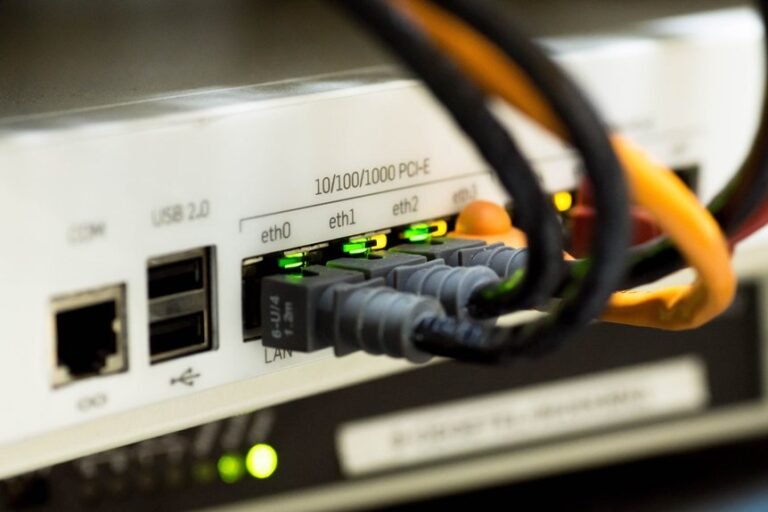
Status indicators on the 168.11.254 router provide a concise snapshot of device health and connectivity, enabling quick assessment of link status, device activity, and potential faults.
The guidance emphasizes disciplined troubleshooting tips, rapid fault isolation, and minimal disruption.
It reinforces security safeguards, clarifies parental controls relevance, and preserves user freedom by limiting intrusive defaults while delivering transparent status indicators.
The router may change ip after reset; to regain control, perform static ip setup after reset, then verify connectivity. If it persists, restore defaults briefly, update firmware, and document the new address to prevent future lockout.
Custom DNS can be set for privacy tweaks and improved router speed, though options vary by device. The devotes note: use reputable resolvers; enable DNS over HTTPS or TLS where available; monitor privacy implications and maintain control of configurations.
Firmware offline update is sometimes possible via LAN only administration, but success depends on hardware, bootloader, and vendor. Without internet access, offline update requires a local image and proper safe failover; otherwise, update failure is likely.
A forgotten password demands admin recovery steps: reset from reset button or restore factory settings; otherwise, access remains impossible. The device cannot perform firmware update offline for password recovery. Extremely cautious, the recovery process preserves freedom and security.
Default login credentials are not publicly specified; devices vary. Legitimate access relies on admin-provided credentials or reset procedures. For secure admin access, use unique credentials, perform firmware updates, and consider offline setup only when essential. Avoid sharing or exploiting credentials.
In summary, the 168.11.254 router admin dashboard guide promotes precise, minimal changes backed by clear verification steps and transparent indicators. It emphasizes secure login, correct router identification, and disciplined status checks to avoid misconfigurations. With strict focus on safe Wi‑Fi setup, guest access, firewall, and parental controls, it offers practical safeguards without unnecessary complexity. Are you prepared to rely on concise diagnostics and predictable controls rather than guesswork when issues arise? This approach preserves user freedom and trust.