
Newsletter Subscribe
Enter your email address below and subscribe to our newsletter
Enter your email address below and subscribe to our newsletter

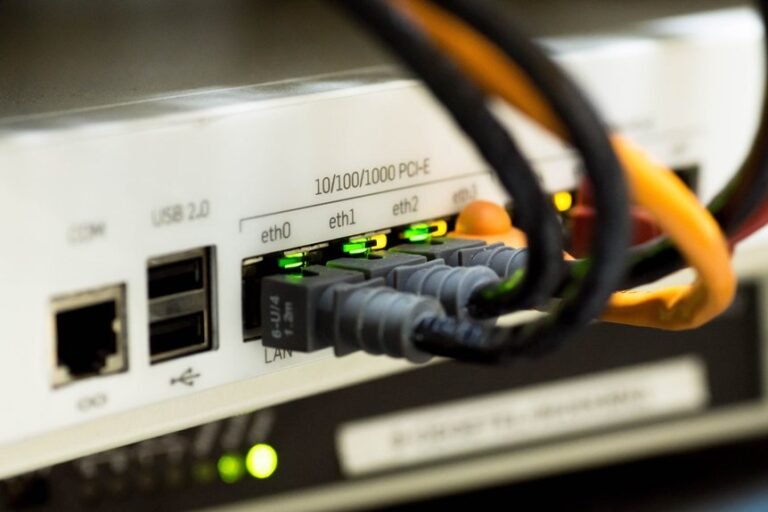
The discussion centers on configuring the 168.178.40 router with a structured, security‑minded approach. It covers admin access, WPA3 security, WPS disablement, and guest network isolation. DHCP planning, static reservations for critical devices, and thoughtful subnet design are examined alongside port…
 BySonu
Accessing the 168.7.1 router admin page is the first step to secure management. The guide outlines steps for credentials, protections, and access controls, emphasizing strong, unique admin passwords and limited login attempts. It covers configuring an identifiable SSID with solid…
BySonu
The address 168.100.100.1 violates IPv4 structure and addressing rules. Each octet must be 0–255, with no prohibited leading zeros and proper alignment to classful or CIDR-based networks. This example highlights the need for correct subnetting, reserved-block checks, and adherence to…
BySonu
The 10.10.0 Private Network Configuration Guide presents a scalable, modular approach to subnet design, routing, and policy enforcement. It details boundary definitions, zone-based firewalls, and explicit ACLs to ensure predictable behavior and low latency. The document integrates scoped DHCP with…
BySonu
Finding the 1681.254 router’s default IP is the first step, typically documented on the device label or in the manual. The admin panel should be reached over a secure, wired connection using HTTPS. After logging in, update firmware and replace…
BySonu
The topic centers on why 168.8.8.1 is an invalid gateway. It examines how this address falls outside common private and routable ranges, risking misrouting and traffic disruption. The discussion distinguishes gateway functions from DNS pathways, stressing the need for a…
BySonu
A disciplined private IP address plan supports scalable growth, virtualization, and interconnectivity while minimizing waste. It favors contiguous, non-overlapping blocks with clear subnet boundaries aligned to routing and NAT demarcations. Hierarchical, summarizable blocks simplify routing and future expansion, while NAT…
BySonu
Access to the 168.1.1 router requires establishing a local connection and using a secure browser URL. The process begins with authentication and credential validation, followed by enabling essential Wi-Fi settings and firewall features. Next, confirm connectivity and document changes in…
BySonu
The phrase 168150.1 Invalid Router IP Address signals a formatting or input error rather than a true network issue. On home networks, mis-entered addresses or overlapping DHCP scopes commonly cause it. A careful check of the gateway, device IPs, and…
BySonu
The guide examines how to access the 168.50.100 admin panel and secure the router setup in a structured, methodical manner. It outlines credential changes, robust Wi‑Fi keys, and disabling remote administration. It then covers configuring separate guest networks with isolation,…
BySonu